Registered Massage Therapist in Burlington
Experienced and certified Registered Massage Therapy Services for pain relief and relaxation.
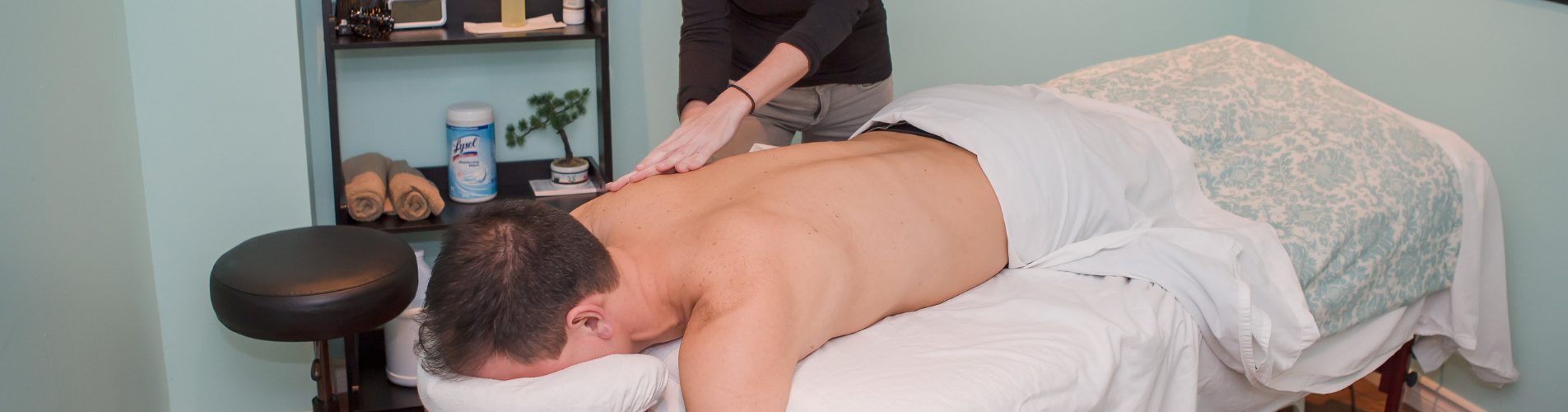
Registered Massage Therapy is the manipulation of muscles and soft tissues with the purpose of reducing discomfort and tension, improving circulation and providing relaxation.
Benefits of Massage Therapy
- Natural pain relief
- Reduced tension and stiffness in injured muscles, joints and ligaments
- Improved circulation and improvement in supply of oxygen to our soft tissues
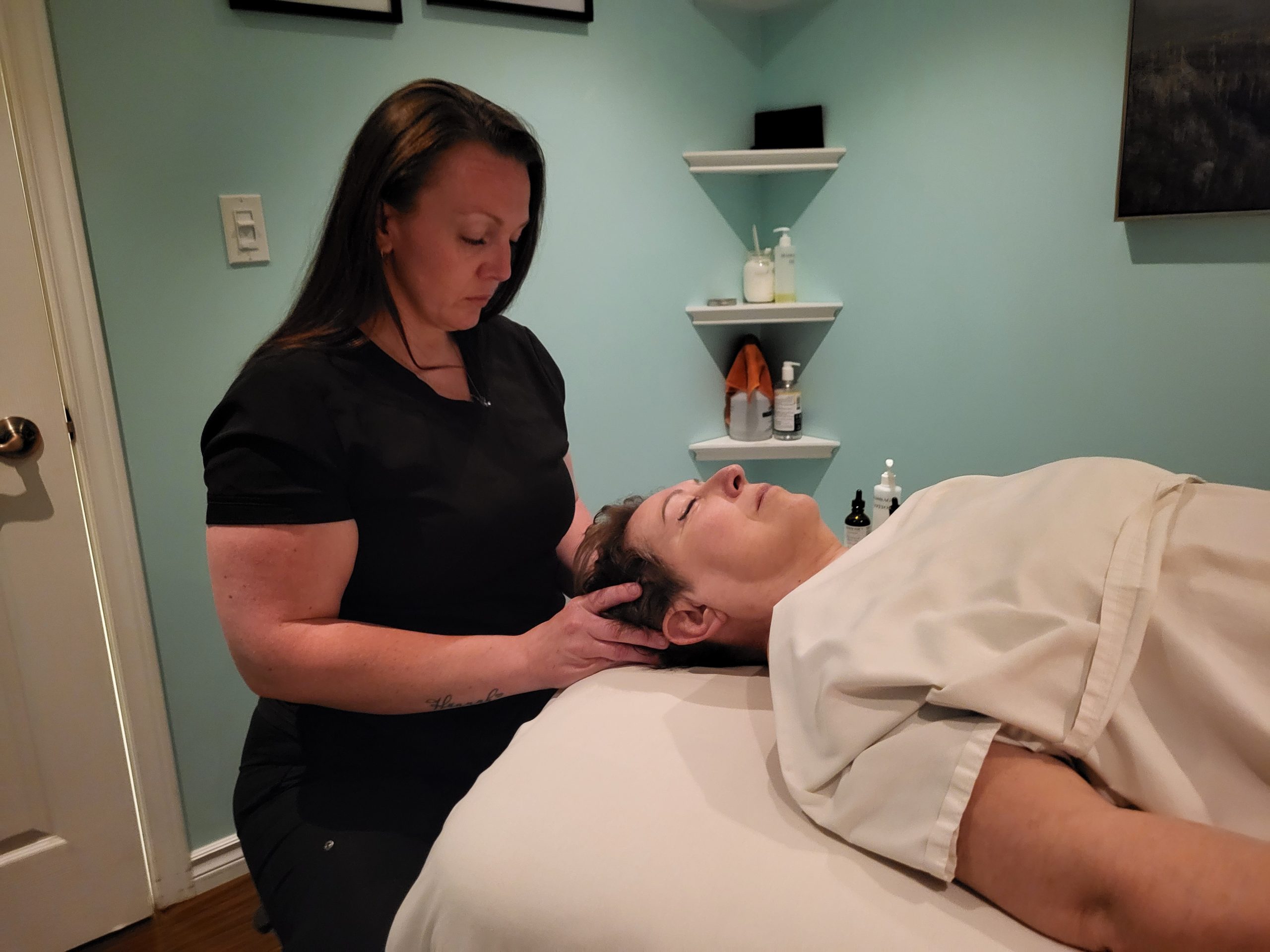
- Helps with relaxation that could positively affect anxiety, digestion, insomnia and fatigue to name a few
Massage Therapy Treats
- Painful and tight muscles
- Scar tissue following injury or surgery
- Delayed muscle soreness
- Pain or tingling in arms or legs
- Repetitive strain injuries
- Fluid retention
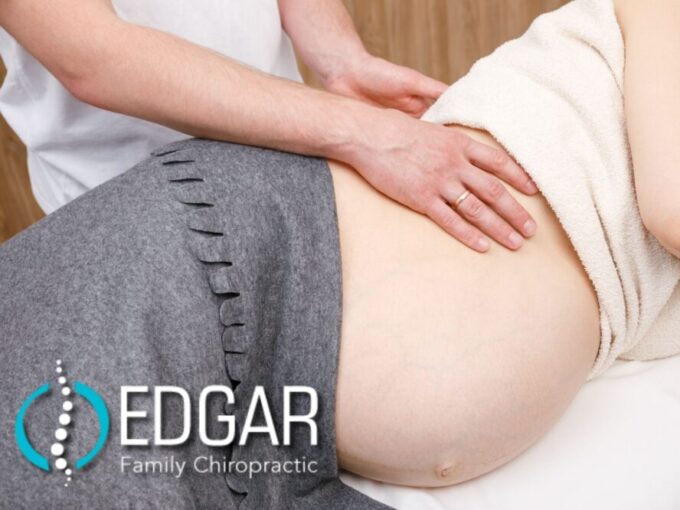
- Pregnancy symptoms
- Headaches and Migraines
- Arthritis
- Fibromyalgia
- Sciatic pain
- Postural Dysfunction
Types of Massage Therapy We Offer
People search “types of massage” and “different kinds of massages” because they want the right fit, not a random session. Here’s what we commonly use and why:
Swedish Massage (Relaxation + circulation support)
A gentler style focused on overall relaxation and easing general tension. Great if you feel stressed, stiff, or run down.
Deep Tissue Massage (Targeted muscle therapy)
More focused pressure for stubborn tension and tight spots. If you’re looking for deep tissue massage in Burlington, this can be a good option, but it should still be done intelligently and within your tolerance.
Trigger Point Therapy
Targets specific “knots” or referral patterns that can contribute to headaches, shoulder tension, and tight hips.
Myofascial Release
Works with fascial restrictions that can make areas feel stuck, tight, or limited in motion.
Cupping Therapy (Add-on technique)
Cupping is sometimes used as a technique to support tissue mobility and circulation in certain areas. If it’s appropriate for you, your RMT will explain what it is, how it feels, and what to expect afterward.
How We Treat:
When a patient visits our clinic, our registered massage therapists (RMTs) perform a thorough physical examination so as to understand the medical history and overall health of the patient. This examination includes assessment for a range of motion, orthopaedic tests, and palpation of the muscles and joints. Based on the results of the assessment and the diagnosis, the therapists recommend and administer the appropriate treatment. The therapy usually includes the use of hands and fingers to provide soft, long, kneading strokes, as well as light, rhythmic, tapping strokes on the topmost layer of muscle. Our massage therapists use techniques such as Swedish massage, deep tissue massage, and trigger point therapy. They are also trained in the use of cupping therapy.
Cupping therapy is an ancient alternative medicine practice where suction cups are applied to the skin to create a vacuum effect. This is believed to improve circulation, relieve muscle tensions, reduce pain, and promote healing.
Session lengths: 30, 45, 60, 75, or 90 minutes.
How Often Should You Get Massage Therapy?
This depends on what you’re using massage for.
For a flare-up or stubborn tension: you may benefit from a shorter run of more consistent visits
For ongoing maintenance: many people spread visits out once they’re feeling stable
For training or repetitive work strain: frequency often depends on workload and recovery needs
A good plan should change based on results. If nothing is improving, we adjust the approach instead of repeating the same session forever
Are Massages Good for Health? Safety and When to Be Cautious
Massage is generally considered low risk, but like any hands-on therapy, it’s not “one-size-fits-all.” Rare serious side effects have been reported, and risk may be higher with vigorous techniques (including some forms of deep tissue) or for people with specific medical risk factors.
Before your appointment, tell your RMT if you have:
a history of blood clots or clotting risk
a bleeding disorder or you’re on blood thinners
a recent surgery, fracture, or significant osteoporosis
unexplained swelling, numbness, or severe new pain
If you’re unsure, ask. A good RMT will modify pressure and techniques based on your health history.
What Our Customers Are Saying


Meet Jennifer & Istvan

Maheen Khan
Registered Massage Therapist
Dr. Laura Carabott
Naturopathic Medicine Doctor
Devin Ong
Registered Massage TherapistFAQs
Registered Massage Therapy (RMT) is a regulated healthcare profession that involves the assessment, diagnosis, treatment and prevention of various musculoskeletal conditions using techniques such as Swedish massage, deep tissue massage, and trigger point therapy.
In order to practice in Canada, an individual must be registered with a provincial or territorial regulatory college and meet the specific education and examination requirements of that college.
They use a variety of techniques such as Swedish massage, deep tissue massage, and trigger point therapy to manipulate the soft tissue and promote healing, relaxation, and pain relief.
The purpose is to help alleviate pain, injury, and dysfunction of the soft tissue and joints of the body. They help to improve how someone is functioning in their daily life so that they are feeling their best.
Registered Massage Therapy may be covered by some private health insurance plans and/or extended health benefit plans in Canada.
A session typically last about 60 min but patients can also book 30 min, 45 min, 75 or 90 minutes.
Treatment typically involves an assessment and diagnosis of the patient’s condition, followed by the application of various massage techniques to alleviate pain and promote healing.
They typically work in private clinics or as part of a larger healthcare team in hospitals, sports clinics, or rehabilitation centers.
Swedish massage is generally lighter and relaxation-focused. Deep tissue massage is more targeted and uses more pressure for stubborn tension areas.
No. Pressure should be effective but still tolerable. “More pain” is not automatically “better results.”
Hydrate, move gently, and expect mild soreness if deeper work was done. If something feels off beyond normal soreness, let your RMT know.
Tell your RMT your goal (relaxation, recovery, specific pain points), and they’ll recommend the best approach.