Back Pain Treatment in Burlington: Evidence-Based, Non-Surgical Care

Last Reviewed By: Dr. Cameron Edgar & Dr. Maja Edgar , June 4, 2026

Quick Answer: What Helps Back Pain?


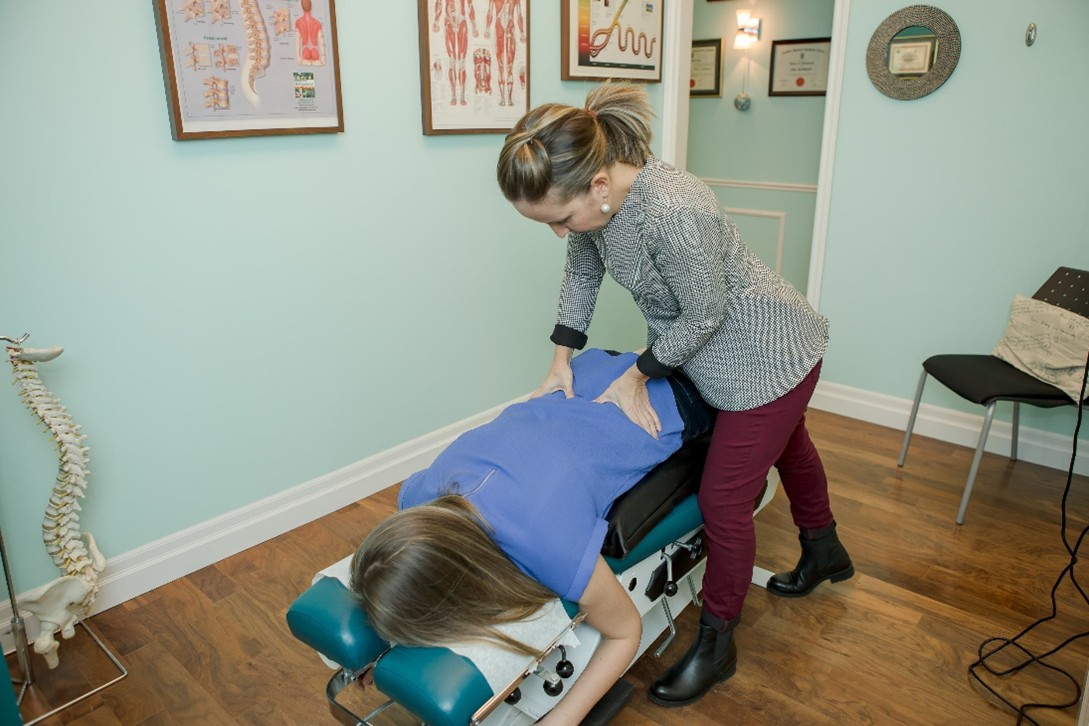
This is Dr. Maja Edgar assessing and treating a patient with low back pain.

Back pain is often related to irritation or dysfunction in the muscles, joints, discs, nerves, or movement patterns of the spine. It may show up as lower back pain, upper back tension, stiffness, sharp pain when bending, or pain that radiates into the hip, buttock, or leg. First-line care often includes staying gently active, education, manual therapy when appropriate, soft tissue therapy, and targeted exercise to restore mobility, strength, and confidence. Seek urgent medical care if back pain comes with new bladder or bowel changes, numbness in the groin or saddle area, progressive leg weakness, fever, unexplained weight loss, major trauma, or a history of cancer. (Choosing Wisely Canada)

Why Back Pain Happens


why back pain happens and what you can do about it

Back pain happens when any part of your back becomes irritated, overloaded, stiff, weak, or poorly coordinated. That includes the lumbar and thoracic spine, sacrum, sacroiliac joints, discs, facet joints, spinal canal, muscles, ligaments, and nerves. It is common, but common does not mean you should ignore it or write it off as “just aging.”

Some back pain starts with a clear trigger: lifting awkwardly, twisting too fast, sleeping in a bad position, or a long drive. Other times it builds slowly from desk work, poor workstation setup, repetitive bending, or a body asked to do more than it is currently strong enough to handle.

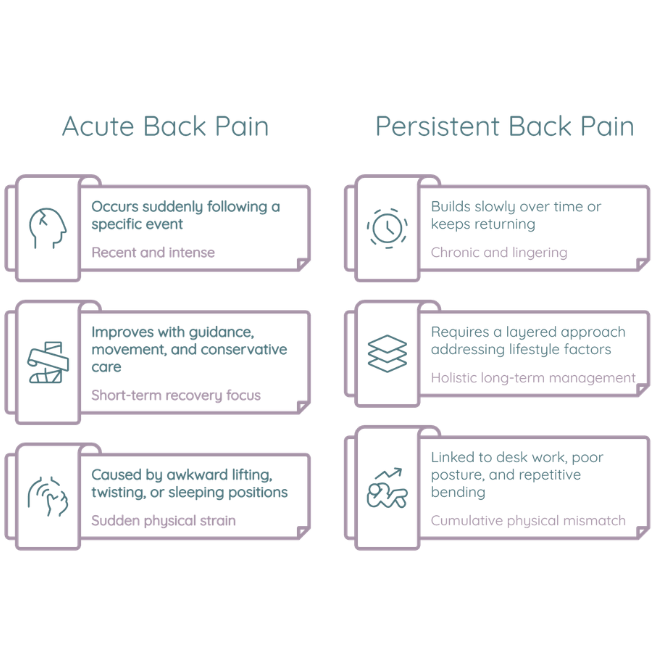
Pain is either acute (recent) or persistent (lasting longer than expected or keeps returning). Acute pain can feel intense but often improves with movement and conservative care. Persistent pain usually needs a layered approach across mobility, strength, posture, sleep, stress, and confidence with movement.

Two common myths: that back pain means something is “out of place,” and that rest is always the fix. In reality, pain can come from muscle strain, ligament sprain, joint or disc irritation, nerve sensitivity, or movement habits. Short rest may help during a severe flare, but most guidelines recommend returning to safe, tolerable activity as soon as you can. (NICE)

What Back Pain Can Feel Like Day to Day


Dr. Cameron Edgar performing chiropractic care on a client's back.

Back pain can show up differently from person to person. For some, it feels like a dull ache across the lower back. For others, it feels sharp, catching, burning, tight, or heavy. It may stay in one area or travel into the buttock, hip, thigh, calf, or foot if a nerve is involved.

Common symptoms include:

  • Lower back pain that will not go away
  • Sharp pain in the lower back when bending, lifting, or twisting
  • Back pain radiating down the leg
  • Morning stiffness that improves once you start moving
  • Upper back pain between the shoulder blades
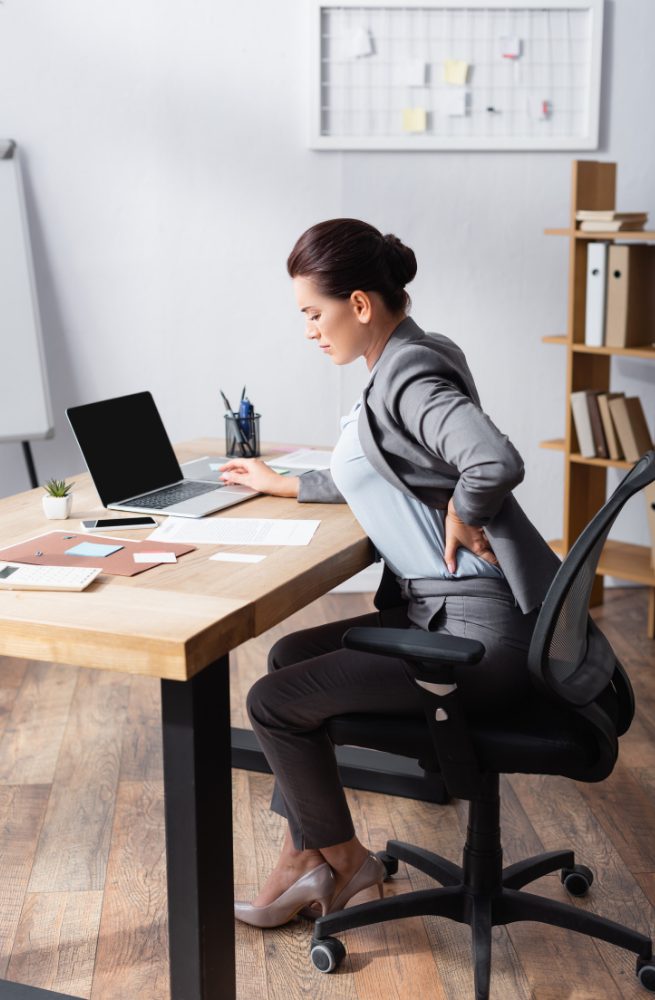
  • Back pain after sitting all day
  • Tightness through the hips, glutes, or hamstrings
  • Pain that worsens with standing, walking, driving, or desk work
  • Difficulty sleeping comfortably
  • Fear of bending, lifting, exercising, or returning to normal activity

Back pain can also affect your life in sneaky little ways. You may start avoiding workouts, sitting differently at work, sleeping poorly, saying no to activities, or relying on pain medication more than you would like. That is usually the point where it makes sense to get assessed, not because everything is dramatic, but because your body is clearly asking for a better plan.

Common Reasons Back Pain Keeps Coming Back


Back pain is not always caused by one single event. Often, it develops from several contributors stacking up over time. These may include mechanical strain, poor sitting or standing posture, repeated lifting, prolonged desk work, limited spinal or hip mobility, reduced core stability, stress, poor sleep, or returning to activity faster than the body can tolerate.

In the lower back, pain may involve the lumbar spine, sacroiliac joint, facet joints, vertebral discs, surrounding muscles, or nerve roots. A herniated or bulging disc may irritate nearby nerves and cause sciatica-like symptoms, including pain, tingling, numbness, or weakness that travels down the leg. In the upper back, pain between the shoulder blades can be linked to thoracic spine stiffness, postural dysfunction, forward head posture, shoulder mechanics, or tension from long periods at a computer.

Some people experience chronic back pain without a specific injury. That does not mean the pain is imaginary. It means the body may have become sensitized, deconditioned, overloaded, or stuck in a pattern where certain positions and activities keep re-irritating the area.

A good treatment plan should not only ask, “Where does it hurt?” It should also ask, “Why is this area not tolerating your life right now?” That is where assessment, education, movement testing, and progressive care matter.

When Back Pain Needs Urgent Medical Attention


Most back pain is not caused by a dangerous medical condition, but certain symptoms should be taken seriously. Please seek urgent medical care or emergency assessment if your back pain is accompanied by:

  • New loss of bladder or bowel control
  • Numbness in the groin, inner thighs, or saddle area
  • Severe or progressive leg weakness
  • Fever, chills, or signs of infection
  • Unexplained weight loss
  • A history of cancer
  • Major trauma, such as a fall or car accident
  • Pain that is severe at night and does not change with position
  • New back pain with osteoporosis risk or long-term steroid use
  • Worsening numbness, reflex changes, or loss of feeling in the legs

These symptoms may require medical investigation, imaging, or referral. Choosing Wisely Canada and Ontario Health both recommend avoiding routine imaging for uncomplicated low back pain unless red flags are present, because scans often do not improve care and may show age-related findings that are not actually causing the pain. (Choosing Wisely Canada)

How We Assess Back Pain at Edgar Family Chiropractic


front desk speaking with patient about her first visit

At Edgar Family Chiropractic in Burlington, your back pain assessment begins with a conversation. We want to understand when your symptoms started, where you feel them, what makes them better or worse, how they affect work, sleep, exercise, and daily life, and whether there are any signs that your case needs co-management or referral.

Your first visit typically includes an assessment, treatment when appropriate, education, and exercise prescription. The goal is to give you a clear explanation of what may be contributing to your pain and what the next steps should be.

Your assessment may include:

  • Health history and symptom review
  • Screening for red flags and neurological symptoms
  • Posture and movement assessment
  • Range of motion testing
  • Orthopedic and neurological testing when indicated
  • Functional testing related to bending, lifting, sitting, walking, or sport
  • Evaluation of the lumbar spine, thoracic spine, sacroiliac joints, hips, and surrounding muscles
  • Discussion of work habits, ergonomics, activity level, and recovery

Imaging is not always needed at the start. In many cases, a careful history and physical exam provide enough information to begin conservative care. If your symptoms suggest a more serious condition, significant nerve involvement, trauma, or a case where imaging would change management, we will guide you toward the appropriate next step. (NICE)

Your Personalized Back Pain Treatment Plan


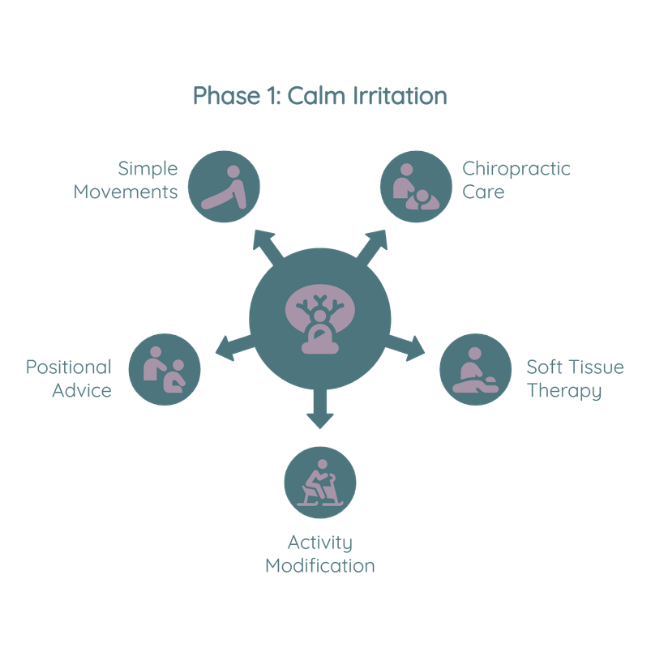
phase 1 of Your Personalized Back Pain Treatment Plan

Back pain treatment should be based on your symptoms, assessment findings, goals, and comfort level. At Edgar Family Chiropractic, care may include chiropractic adjustments, spinal manipulation or mobilization, soft tissue therapy, myofascial release, rehabilitative exercise, core stability training, posture and ergonomic coaching, and education to help you understand how to move with more confidence.

Phase 1: Calm Irritation

The first goal is to reduce irritation and help you move more comfortably. This may include gentle chiropractic care, soft tissue therapy, activity modification, advice on sleeping or sitting positions, and simple movements that calm symptoms rather than flare them.

For someone with sharp lower back pain when bending, this phase may focus on finding tolerable movement, reducing guarding, and helping the body feel safe enough to move again.

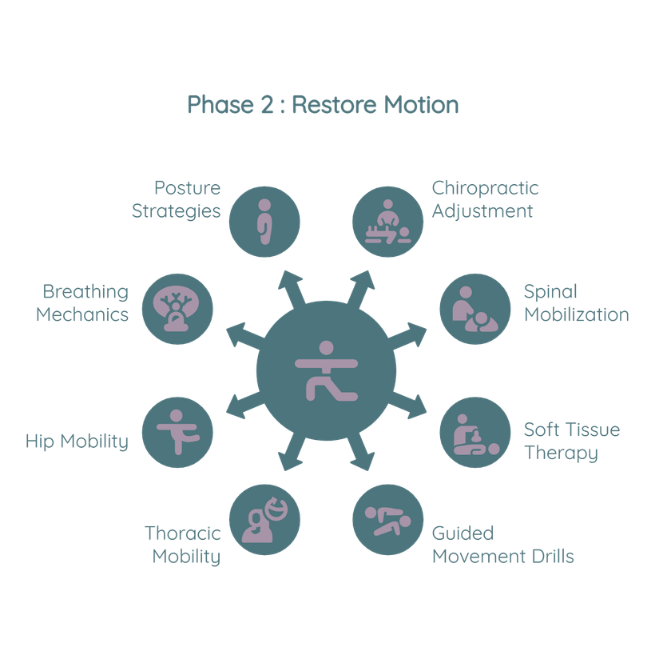
phase 2 of Your Personalized Back Pain Treatment Plan

Phase 2: Restore Motion

Once symptoms are less reactive, treatment may focus on improving mobility in the spine, hips, pelvis, and surrounding soft tissues. This may include chiropractic adjustment, spinal mobilization, soft tissue therapy, and guided movement drills.

For someone with back stiffness in the morning or upper back pain between the shoulder blades, this phase may include thoracic mobility, hip mobility, breathing mechanics, and posture-based movement strategies.

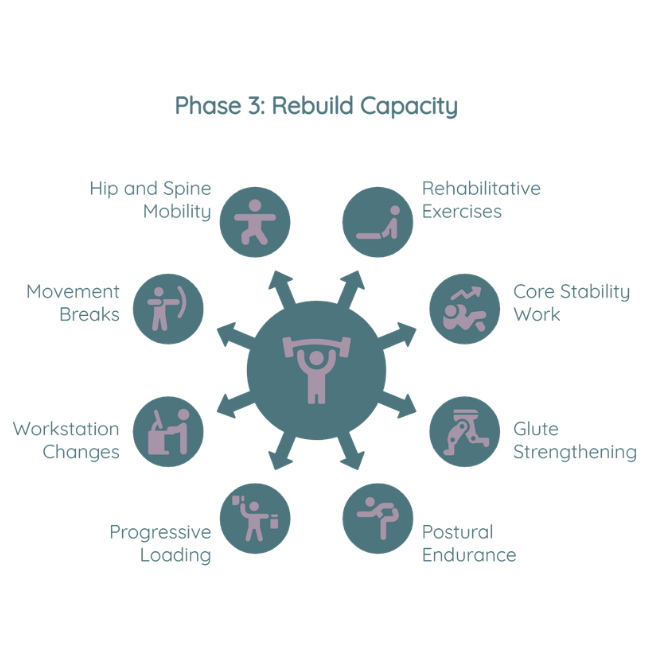
phase 3 of Your Personalized Back Pain Treatment Plan

Phase 3: Rebuild Capacity

Pain relief is only one part of the process. To reduce the chance of repeat flare-ups, the body often needs better strength, endurance, and coordination. This phase may include rehabilitative exercises, core stability work, glute strengthening, postural endurance, and progressive loading.

For someone with back pain after sitting all day, this may include workstation changes, movement breaks, hip and spine mobility, and strength work to help the body tolerate desk demands better.

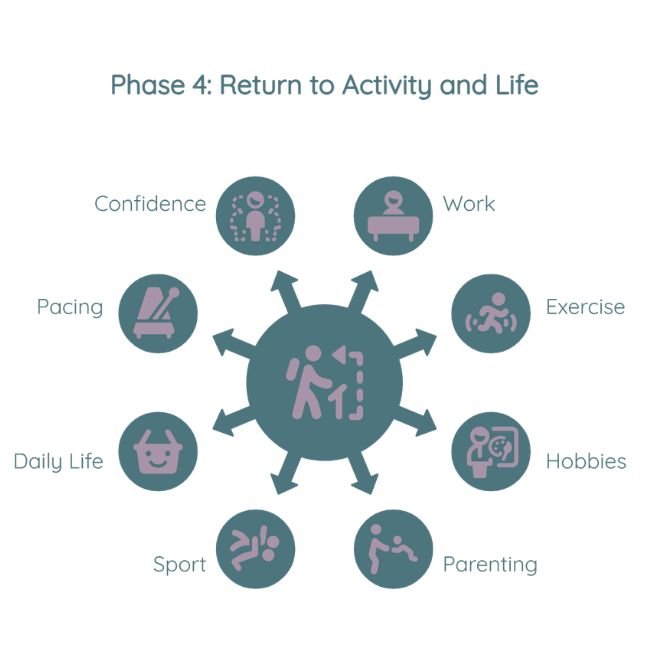
phase 4 of Your Personalized Back Pain Treatment Plan

Phase 4: Return to Activity and Life

The final goal is helping you return to work, exercise, hobbies, parenting, sport, or regular daily life with more confidence. This may include lifting mechanics, gradual return-to-exercise planning, sport-specific drills, flare-up planning, and maintenance strategies.

If your pain has been persistent, this phase may also include education around pacing, confidence with movement, and how to avoid the boom-and-bust cycle where you do too much on a good day and crash afterward.

Clinical Note

Not every treatment is right for every person. Manual therapy, chiropractic adjustments, massage therapy, physiotherapy-style exercise, medical acupuncture, braces, orthotics, or sports rehabilitation may be recommended only when they fit your symptoms, assessment findings, and goals. The plan should make clinical sense, not just sound impressive on a service menu. Fancy modality soup is not the assignment.

What the Evidence Says About Back Pain Care


The evidence around back pain care supports a conservative, active, individualized approach for many people, especially when no urgent red flags are present.

  • Ontario Health Quality Standard, acute low back pain: This guideline emphasizes comprehensive assessment, screening for red flags, patient education, self-management support, and maintaining usual activity when appropriate. It also advises against diagnostic imaging for acute low back pain unless red flags suggest serious underlying pathology. This applies to adults with acute low back pain, but it does not replace clinical judgment for complex cases. (Ontario Health)
  • NICE guideline for low back pain and sciatica: NICE recommends advice and information to support self-management, encouragement to continue normal activities, and exercise programs based on patient needs and capabilities. Manual therapy, including spinal manipulation, mobilization, or soft tissue techniques, may be considered as part of a broader package that includes exercise. This applies to people over 16 with low back pain or sciatica, though individual treatment choices should be based on assessment. (NICE)
  • Choosing Wisely Canada, imaging for low back pain: Choosing Wisely Canada recommends avoiding routine imaging for lower back pain unless red flags are present. Red flags may include a history of cancer, unexplained weight loss, fever, recent infection, loss of bowel or bladder control, abnormal reflexes, or loss of strength or feeling in the legs. This applies to many uncomplicated low back pain cases, but urgent symptoms should always be escalated. (Choosing Wisely Canada)
  • World Health Organization guideline for chronic primary low back pain: The WHO guideline focuses on non-surgical interventions for chronic primary low back pain in adults, including care that can be delivered in primary and community settings. This supports the importance of non-surgical care pathways for persistent back pain, while recognizing that chronic pain can be complex and may require a broader health care team. (World Health Organization)
  • American College of Physicians guideline: ACP guidance recommends non-drug therapies such as superficial heat, massage, acupuncture, or spinal manipulation for acute or subacute low back pain, and exercise-based and other non-drug approaches for chronic low back pain. This applies mainly to nonradicular low back pain and should be adapted based on symptoms, diagnosis, and patient preference. (acponline.org)

Example Patient Case Study: Back Pain After Desk Work and Weekend Activity


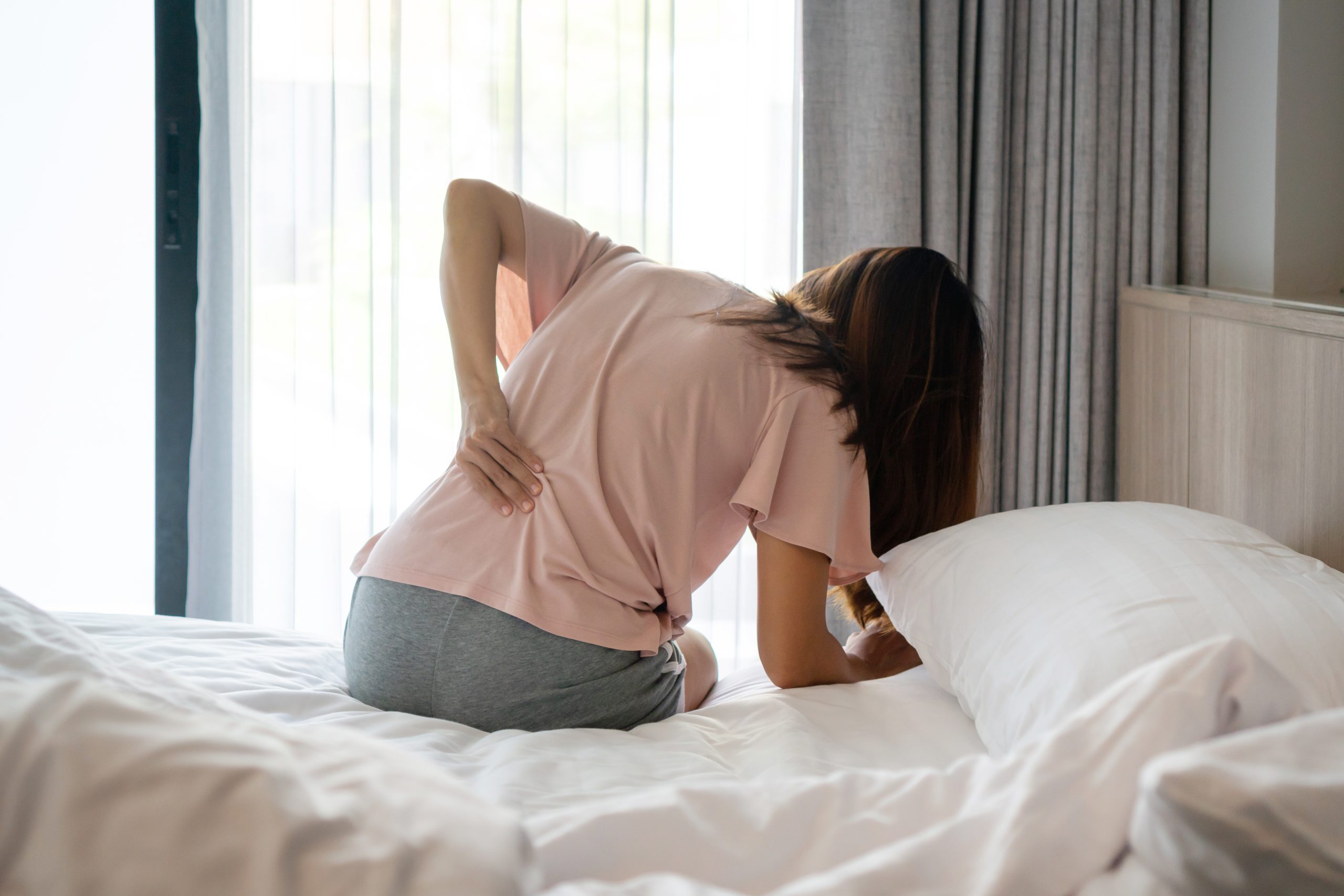
woman showing back discomfort from sitting

A 42-year-old Burlington patient came in with lower back pain that had been building for three months. They worked at a desk most of the day and noticed their pain was worse after long periods of sitting, driving, and doing yard work on weekends. There was no major injury, but they had started avoiding exercise because bending forward caused a sharp catch in the lower back.

At the first visit, the patient reported pain at 6 out of 10, morning stiffness, and difficulty sitting longer than 30 minutes. They did not have numbness, bladder changes, saddle numbness, fever, unexplained weight loss, or progressive weakness. Assessment showed reduced lumbar and hip mobility, tenderness through the lower back and gluteal muscles, limited tolerance with repeated bending, and reduced core endurance.

The care plan began with education, gentle manual therapy, soft tissue therapy, movement modifications, and simple mobility drills. By week two, pain had reduced to 4 out of 10 and the patient could sit for longer with planned movement breaks. By week four, they had started core stability and glute strengthening and were able to return to light workouts. By week eight and beyond, the plan progressed to lifting mechanics, workstation strategy, and a simple maintenance routine.

Outcome measures included pain reduction, improved sitting tolerance, better confidence bending and lifting, and a return to regular exercise. The maintenance plan focused on weekly strength work, movement breaks during desk days, and early flare-up strategies so the patient knew what to do before symptoms escalated again.

Individual results vary. This example is for education only and does not guarantee a specific outcome.

Meet the Team


Dr.Cameron Edgar

Dr. Cameron Edgar

Chiropractor

Dr. Cameron Edgar was born in Edmonton, Alberta and graduated from the University of Alberta with a Bachelor’s degree in Biological and Physiological Sciences. After moving to Toronto to complete his Doctor of Chiropractic degree in 2005, he pursued further postgraduate education in Contemporary Medical Acupuncture from the De Groote School of Medicine at McMaster University.

Certified in the Active Release Technique, Dr. Edgar has a special interest in sports therapy and post-injury rehabilitation. Dr. Edgar believes that education and proper communication are imperative to patient care.

He now lives with his wife Maja in Burlington and in his free time, enjoys playing many different types of sports including basketball, ultimate frisbee, and golf.
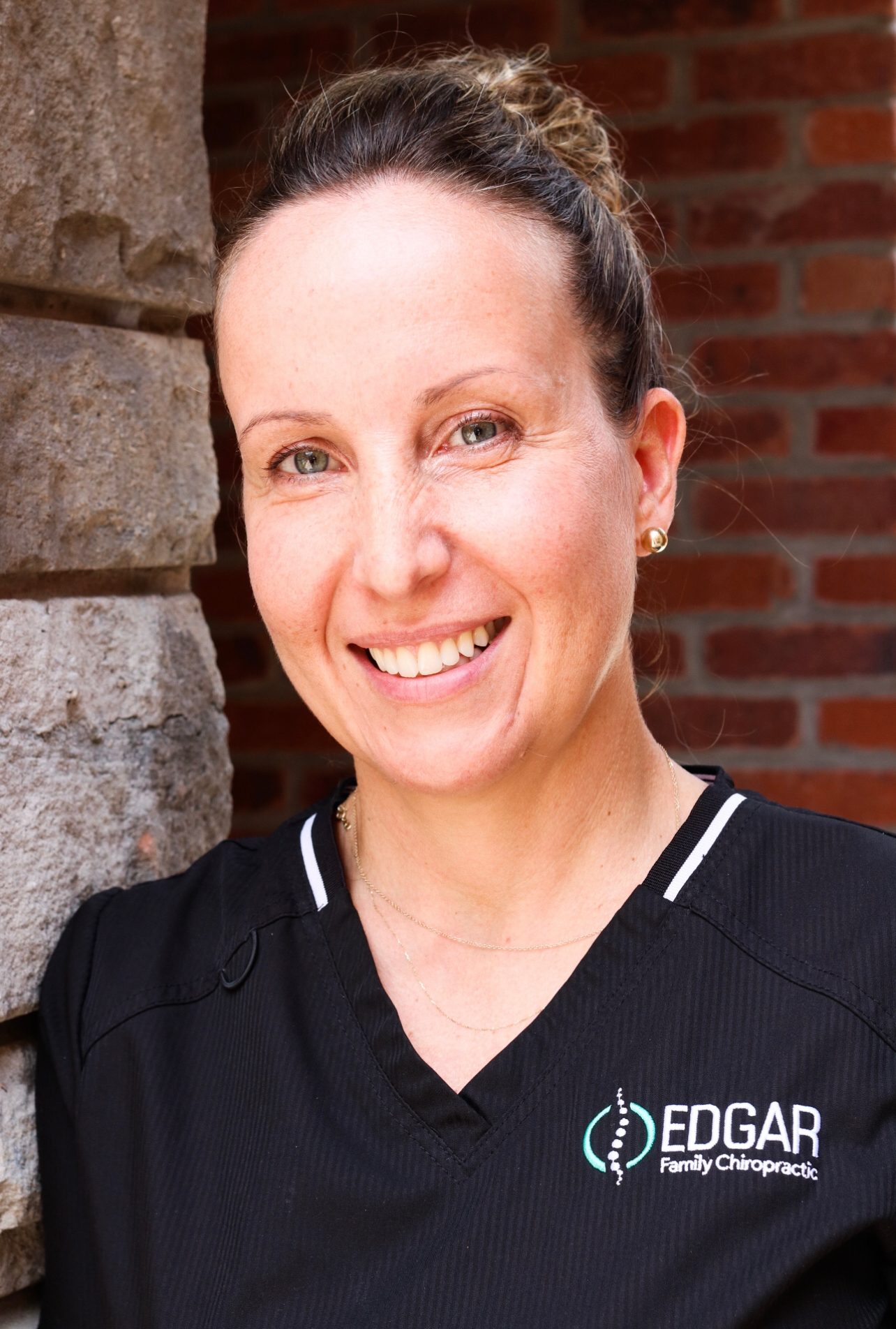
Dr.Maja Edgar

Dr. Maja Edgar

Chiropractor

Dr. Maja Edgar immigrated to Canada with her family from former Yugoslavia when she was eleven. She had an interest in health from an early age and was always fascinated by the human body and mind. She went on to complete a degree from the University of Toronto specializing in Biology and Psychology.

Seeking chiropractic treatment herself during her dance training, she realized that this is what resonated with her views of health and well being, and it prompted her to pursue her chosen profession.

She graduated with a Doctor of Chiropractic degree in 2008 and has also completed post-graduate training in Medical Acupuncture from the Michael G. De Groote School of Medicine at McMaster University.

A member of the International Chiropractic Pediatric Association, Dr. Edgar has a special interest in the areas of chiropractic that include pre and postnatal pregnancy care.

From newborn to adolescence to adulthood, Dr. Edgar uses techniques specific to the individual to bring balance and health to the spine.

Dr. Edgar routinely makes recommendations for patients to establish a self-care routine and encourages her patients to be active participants in maintaining their health.

She is currently living in Burlington with her husband Cameron and in her free time enjoys keeping active through yoga, running and swimming.

Adriana Gomez

Adriana Gomez

Registered Physiotherapist

Adriana is a Registered Physiotherapist with the College of Physiotherapists of Ontario with over 20 years of experience in clinical practice. She completed her Masters of Physiotherapy specializing in Sports Injuries, Manual Therapy and Pregnancy. Prior to this, she graduated with a Bachelor’s in Sciences.

Adriana’s passion is to help others achieve their personal goals in recovering from injury. Her main objective is to optimize function and enhance physical performance in patients. She believes that through a comprehensive assessment and a hands-on treatment combined with an individualized exercise program; she and her patients will achieve mutual goals. Education is in each and all of her sessions; so patients have a clear understanding of their rehabilitation process, prevention of future injuries and proper expectations.

In her spare time, Adriana enjoys spending time with her husband, her 12 years old boy and close friends. Outdoor activities, Running, yoga, pilates, crossfit, and reading whenever she can are her passions.

maheen registered massage therapist

Maheen Khan

Registered Massage Therapist
Maheen studied Massage Therapy at Mohawk College, graduating with an Ontario College Advanced Diploma. She has extensive experience working in hospital settings, community health facilities, active living centres, as well as recreational and clinical settings. Maheen’s knowledge and experience led to her having a comprehensive understanding of soft-tissue and muscular concerns and the appropriate therapies for these. Her treatments are tailored to relieve muscular tension, support recovery, and enhance movement and overall physical well-being. Maheen values clear communication, patient comfort, and creating a calm, supportive environment that fosters trust and relaxation. Outside the clinic, she enjoys hiking local trails and spending time with friends and family. Maheen brings an attentive, grounded presence to every session and remains dedicated to delivering high-quality, compassionate care.
lauren Carabott- Naturopathic Medicine Doctor

Dr. Laura Carabott

Naturopathic Medicine Doctor
With a deep commitment to patient-centered, evidence-based care, Dr. Laura Carabott, ND inspires her patients to take control of their health and long-term wellness. Working closely with patients to fully understand their needs, Dr. Laura provides detailed, personalized treatment plans that align with each patient’s unique goals.   Her journey into naturopathic medicine began with a love of sports, fitness, and nutrition, which continue to shape her balanced and sustainable approach to care today. Dr. Laura completed her B.A. Honours Specialization in Kinesiology at Western University before earning her Doctor of Naturopathy degree from the Canadian College of Naturopathic Medicine (CCNM). Prior to becoming a naturopathic doctor, she worked as a personal trainer, where she developed a deep appreciation for the connection between physical health, mental well-being, confidence, and quality of life. With a strong foundation in exercise science and clinical nutrition, Dr. Laura helps patients navigate the confusion often created by conflicting health, nutrition, and fitness advice online. She is passionate about assisting patients with their food choices and guiding them to move and fuel their bodies in effective ways that are supportive of their lifestyle and individual goals. Today, Dr. Laura works with patients to uncover and address the root causes of their health concerns through comprehensive assessments, laboratory testing, nutrition and lifestyle counselling, and evidence-based care. She has a special focus in metabolic, hormonal, and reproductive health, supporting concerns such as insulin resistance, cholesterol and blood sugar management, high blood pressure, thyroid dysfunction, weight management, fatigue, stress, burnout, mental health, digestive concerns, and healthy aging. While she has a particular passion for supporting women’s health — including PCOS, PMS/PMDD, endometriosis, irregular or painful cycles, and perimenopause/menopause — she also works with both men and women seeking to optimize their energy, metabolism, body composition, and overall well-being. Dr. Laura has obtained her prescribing license through the College of Naturopaths of Ontario (CONO), allowing her to incorporate additional therapeutic options where appropriate, including vitamin injections (Vitamin D & B12), bio-identical hormone therapy (BHRT), and natural desiccated thyroid (NDT) as part of an integrative treatment plan. Rooted in empathy, education, and collaboration, Dr. Laura creates a supportive environment where patients feel heard, empowered, and confident throughout their healthcare journey.
Devin Ong- Registered Massage Therapist

Devin Ong

Registered Massage Therapist
Devin grew up in Burlington and studied at Mohawk College, where he first obtained his physiotherapy and occupational therapy licenses before later completing the Massage Therapy program. Devin’s passion for health care began in high school when he dislocated his shoulder during sports. Going through the rehabilitation process opened his eyes to the importance of anatomy, recovery, and compassionate care, and inspired him to help others in similar situations. Devin uses a range of techniques including deep tissue massage, sports massage, cupping and joint mobility techniques. Devin strongly encourages home care and believes consistent stretching and exercise are just as vital to maintaining a healthy body as massage itself. In his free time, he stays active by playing basketball, hiking, going to the gym, and rock climbing. Devin loves trying new things and traveling the world!

Real Patient Feedback Matters

Insurance, Billing, and What’s Included


Reception area of Edgar Family Chiropractic with a teal wall featuring the clinic's logo and name. A receptionist in a gray sweater hands paperwork to a patient in a light cardigan, standing at a wooden counter with a marble top. Shelves in the background display decorative items, a lamp, and framed photos.

In Ontario, you do not need a referral to see a chiropractor.

At Edgar Family Chiropractic, direct billing is available in many cases, depending on your insurer and plan. The clinic also works with motor vehicle accident and workplace injury cases when applicable. Services are not covered by provincial health care plans, but they may be reimbursable through extended health benefits or other third-party coverage.

Your first chiropractic visit includes assessment, treatment, education, and exercise prescription. Follow-up visits are focused on progressing the plan, adjusting treatment based on your response, and keeping care aligned with your goals. Depending on your needs, treatment may include a combination of muscle therapy, joint mobilization, rehab exercises, and supportive modalities such as ultrasound therapy, electrical stimulation, medical acupuncture, and heat or cold when clinically appropriate. For current pricing, the best next step is to contact the clinic or review the online booking portal directly.

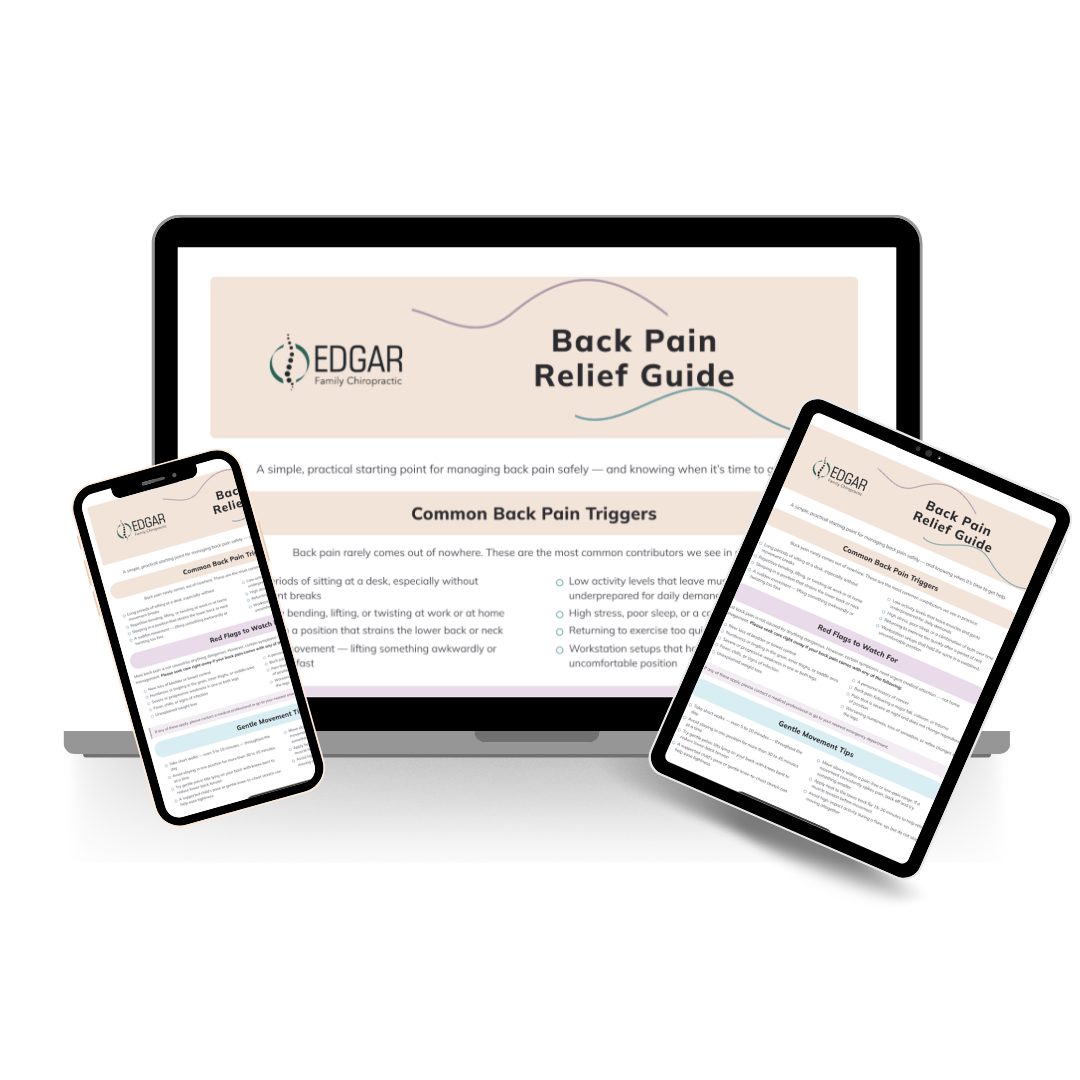
Download Your Back Pain Relief Guide


pdf graphic for download

Back pain can feel confusing, especially when you are not sure what to do, what to avoid, or when to get help. Our printable Back Pain Relief Guide gives you a simple starting point for managing symptoms safely and knowing when professional care may be needed.

The guide includes:

  • Common back pain triggers
  • Red flags to watch for
  • Gentle movement tips
  • Desk and posture reminders
  • Flare-up do’s and don’ts
  • Questions to ask at your first appointment
Download Your Free Guide

Frequently Asked Questions


When should I see a chiropractor for back pain?

You may want to see a chiropractor if your back pain is not improving after a few days, keeps returning, limits your work or sleep, causes stiffness, or makes you nervous about bending, lifting, sitting, or exercising. You should seek urgent medical care instead if you have bladder or bowel changes, saddle numbness, fever, unexplained weight loss, major trauma, or progressive weakness.

Can a chiropractor help with lower back pain that will not go away?

A chiropractor can assess your lower back pain, screen for red flags, and create a conservative care plan when appropriate. Care may include manual therapy, chiropractic adjustments, soft tissue work, education, and rehabilitative exercise. Persistent pain often needs more than a quick adjustment; the plan should address mobility, strength, movement habits, and daily triggers.

What causes sharp pain in the lower back when bending?

Sharp pain when bending may come from irritated joints, muscles, ligaments, discs, or sensitivity in the surrounding nerves and tissues. The exact cause depends on your history, movement patterns, symptom location, and whether pain travels into the leg. An assessment can help determine what is likely contributing and what movements are safest to start with.

What does it mean if back pain radiates down my leg?

Back pain that travels into the buttock, thigh, calf, or foot may involve irritation of a nerve root or sciatic nerve pathway. This can happen with disc irritation, spinal joint irritation, muscle tension, or other causes. If leg pain comes with worsening weakness, numbness, loss of bladder or bowel control, or saddle numbness, seek urgent medical care.

Is back pain after sitting all day normal?

It is common, but it is not something you have to simply accept. Sitting for long periods can contribute to stiffness, reduced hip mobility, muscle fatigue, and pressure through the lower back. Changing your workstation, taking movement breaks, strengthening the hips and core, and improving spinal mobility may help.

Do I need an X-ray or MRI for back pain?

Not always. Many cases of low back pain do not require imaging right away, especially when there are no red flags. Guidelines generally recommend imaging only when serious pathology is suspected or when the result is likely to change management. A clinician can help determine whether imaging or referral is appropriate. (Choosing Wisely Canada)

What is better for back pain, a chiropractor or physiotherapist?

It depends on your symptoms, goals, and the provider’s approach. For many back pain cases, the best care includes assessment, education, hands-on treatment when appropriate, and progressive exercise. Chiropractors and physiotherapists can both play a role. At Edgar Family Chiropractic, care may include chiropractic treatment, exercise prescription, soft tissue work, and multidisciplinary support when needed.

How can I relieve back pain at home?

For many mild cases, gentle movement, short walks, heat, comfortable positions, avoiding prolonged bed rest, and light mobility exercises may help. The key is to stay within tolerable limits and avoid repeatedly provoking the pain. If symptoms are severe, worsening, radiating, or not improving, book an assessment.

Can poor posture cause back pain?

Posture can contribute to back pain, especially when combined with long sitting, low movement, stress, weakness, or repetitive positions. But posture is rarely the only factor. A better goal is not “perfect posture,” because honestly, nobody wants to live like a statue. A better goal is having more movement options, strength, and tolerance throughout the day.

References


Ontario Health. Low Back Pain: Care for Adults With Acute Low Back Pain. August 2025. (Ontario Health)

Choosing Wisely Canada. Imaging Tests for Lower Back Pain. (Choosing Wisely Canada)

National Institute for Health and Care Excellence. Low Back Pain and Sciatica in Over 16s: Assessment and Management. (NICE)

World Health Organization. WHO Guideline for Non-Surgical Management of Chronic Primary Low Back Pain in Adults in Primary and Community Care Settings. (World Health Organization)

American College of Physicians. Noninvasive Treatments for Acute, Subacute, and Chronic Low Back Pain. (acponline.org)