Chiropractor in Burlington: Evidence Based Care to Help You Move Better With Less Pain

Intro


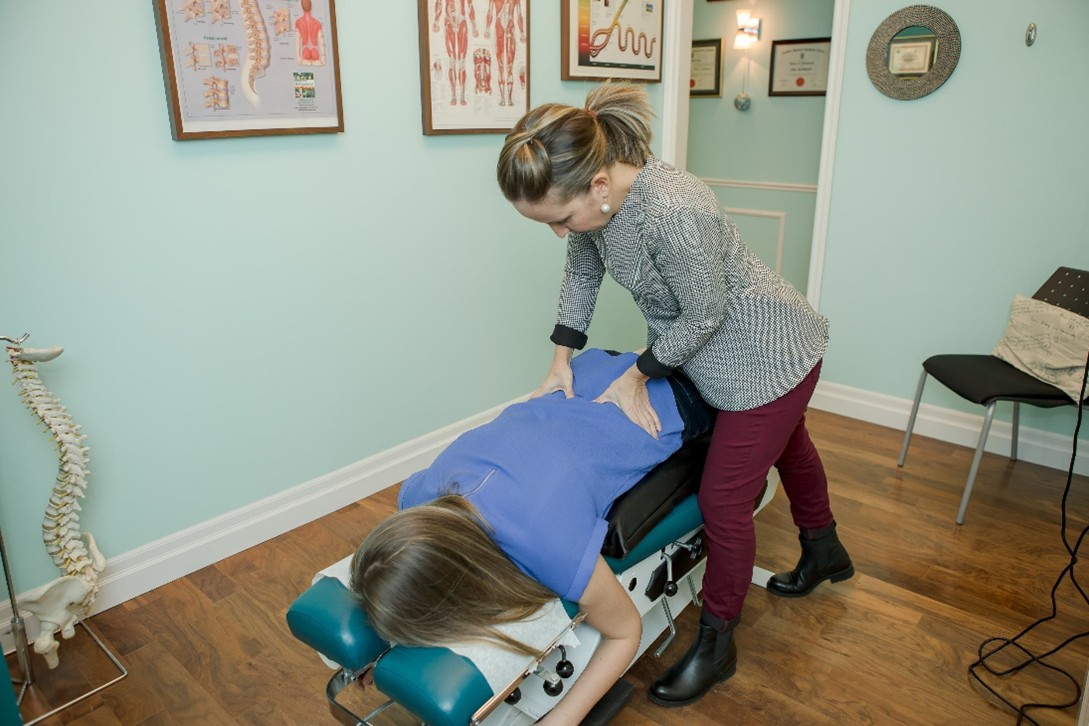
This is Dr. Maja Edgar assessing and treating a patient with low back pain.

A chiropractor assesses how your spine, joints, muscles, and related nerves are working, then builds a treatment plan to help reduce pain, improve movement, and support your return to daily life, work, sport, and exercise.

At Edgar Family Chiropractic, care is personalized and may include hands-on treatment, muscle therapy, exercise-based rehab, education, and other supportive tools when appropriate. Our treatments are designed to be thorough and individualized, and may also include joint mobilization, rehab exercises, and physiotherapy-style modalities to help with inflammation, such as ultrasound therapy, electrical stimulation, medical acupuncture, and heat or cold. We focus on clear explanations, realistic progress, and helping you feel better faster, without cookie-cutter care.

Seek urgent medical attention right away if you have major trauma, chest pain, sudden bowel or bladder changes, saddle numbness, progressive weakness, unexplained fever, unexplained weight loss, or a sudden severe headache with neurological symptoms, confusion, or neck stiffness.

What Chiropractic Care Is, and What It Is Not


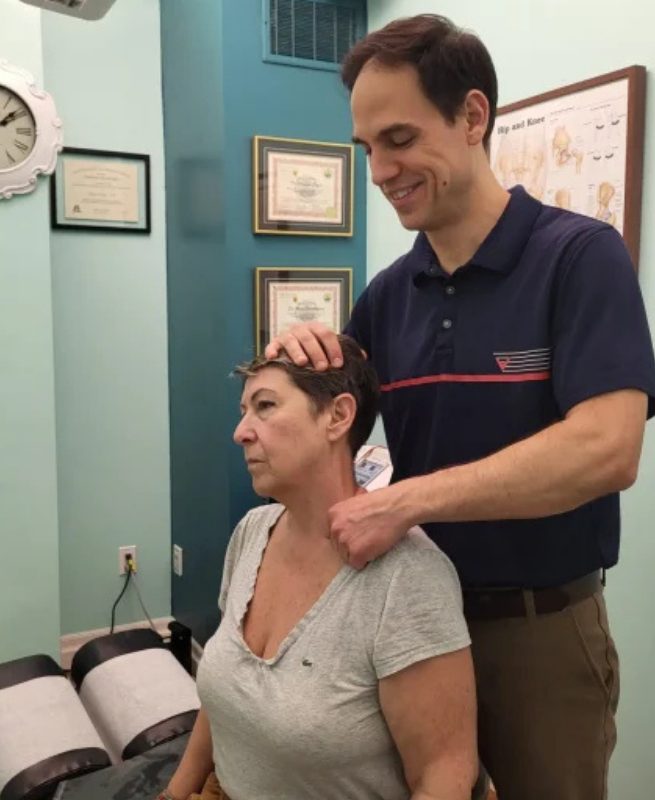
Dr. Cameron Edgar performing chiropractic care on a client's back.

Chiropractic care is a regulated, hands-on health care profession focused on problems involving the spine, muscles, joints, movement, and related nervous system function. In plain English, it is about figuring out why you hurt, why you feel stiff, why certain movements are not working well, and what kind of treatment and rehab plan makes sense for your body and goals.

A chiropractic treatment plan may include a detailed assessment, joint mobilization or adjustment, muscle therapy, movement coaching, exercise prescription, and education around recovery, posture, pacing, and prevention. It is not about forcing everyone through the same technique, and it is not a substitute for emergency medical care, imaging, or specialist referral when red flags are present. Good chiropractic care should be individualized, evidence-informed, and tied to function, not just temporary symptom chasing.

What Chiropractic Care Can Help You Do


infographic of information of how chiropractic care can help

Whether your problem is new, recurring, or something that has slowly built up over time, the goal is not just to crack a joint and send you on your way. The goal is to help you function better in real life.

  • Reduce pain and calm flare-ups so day-to-day activities feel less exhausting
  • Improve mobility and flexibility when stiffness is limiting how you move
  • Build strength and capacity so your body can handle work, workouts, parenting, commuting, and life.
  • Recover from injury with a structured plan instead of guessing your way through it
  • Get back to sport, exercise, or work with more confidence

Lower the chance of recurrence through better movement habits, rehab, and self-management

You May Be a Good Fit for This Service If…


woman showing back discomfort from sitting

You may be a fit for chiropractic care at Edgar Family Chiropractic if you are dealing with any of the following:

  • You have recurring low back pain, back stiffness, or flare-ups that keep coming back.
  • You have a stiff neck, text-neck symptoms, or pain that worsens with desk work.
  • You are looking for a chiropractor for headaches that seem linked to neck tension or posture.
  • You have sciatica, leg pain, or buttock pain that may relate to the low back or pelvis.
  • You have shoulder pain, hip pain, knee pain, foot and ankle pain, or wrist and hand symptoms that may be influenced by joint mechanics and movement patterns.
  • You feel pulling, burning, numbness, or tingling and want to know whether it could be a pinched nerve or another mechanical cause.
  • You are recovering from a sports injury or repetitive strain injury.
  • You want help with posture correction, range of motion, or returning to activity with more confidence.
  • You want an active rehab plan, not just passive treatment.
  • You are not sure what is driving the problem and want a proper assessment before guessing.

Not sure if chiropractic care is the right fit? A thorough assessment is the best place to start. If your symptoms point to something outside our scope, we will tell you and help guide you toward the right next step.

Conditions and Areas We Commonly Treat


A woman sitting down on a bed holding her neck, in pain or discomfort.

At Edgar Family Chiropractic, chiropractic care is often used as part of a broader plan to help with spine, joint, and soft tissue problems that affect everyday function.

We commonly assess and treat spine-related complaints such as back pain, sciatica, disc-related irritation, and chronic neck pain. We also regularly help patients dealing with headaches and migraines when neck tension, posture, or mechanical strain may be playing a role, as well as shoulder pain and tendonitis, radiating arm symptoms, wrist and elbow overuse issues, and many common hip, knee, foot, and ankle complaints.

This service is also a strong fit for people recovering from sports injuries, workplace strain, repetitive-use problems, and flare-ups that make movement feel unreliable. In some cases, chiropractic care is just one part of the plan, alongside massage therapy, physiotherapy, medical acupuncture, or a progressive rehab program.

What to Expect From Your First Visit and Follow-Ups


front desk speaking with patient about her first visit

Your first visit is designed to give you clarity. At Edgar Family Chiropractic, initial appointments are approximately 45 minutes to 1 hour and typically include an assessment, treatment, education, and exercise prescription. Wear clothing you can move in comfortably, and bring any relevant insurance, claim, or referral information if it applies to your case.

During the first visit, we will talk through your history, assess how you are moving, explain what we think is going on, and outline what the early phase of care should look like. In many cases, treatment can begin that day. Follow-up visits are often shorter and more focused, but still tailored to how you are responding. When clinically appropriate, treatment may include a combination of muscle therapy, joint mobilization, rehab exercises, and supportive modalities such as ultrasound therapy, electrical stimulation, medical acupuncture, and heat or cold. Some people need closer support early on, especially if symptoms are acute or highly irritable. Others do better with more spaced-out visits and a stronger home-based plan. The goal is always to match the amount of care to the problem in front of us.

A simple home plan is often part of the process. That may include a few exercises, changes to movement habits, modified activity, or recovery advice that is actually realistic enough to follow.

Our Treatment Approach: A Structured Care Ladder, Not Guesswork


infographic on our treatment approach to pain

We use a phased approach because the body responds best when care matches what it actually needs right now.

Phase 1: Calm irritation and reduce sensitivity Early care focuses on reducing pain, settling irritated tissues, and helping you move with less guarding. This typically involves hands on care, symptom guided advice, and short term activity adjustments.

Phase 2: Restore motion and control As symptoms settle, the focus shifts to joint motion, muscle function, coordination, and movement quality. This is where mobility work, motor control, and better body mechanics come in.

Phase 3: Build strength and capacity Once movement is more comfortable, we work on resilience. That means targeted exercise, progressive loading, and improving your tolerance for the things that matter to you, whether that is lifting, running, training, or getting through a desk heavy week.

Phase 4: Return to function and reduce recurrence The final phase is about real life. We help you transition back into work, sport, or everyday routines with a plan practical enough to stick with. Prevention is not about being perfect. It is about knowing what your body responds to and having tools to manage future flare ups earlier.

This stepped approach aligns with current musculoskeletal guidelines. For low back pain and sciatica, leading guidelines support active self management, exercise, and manual therapy as part of a broader plan rather than a stand alone fix. For neck pain, the same logic applies, combining manual therapy with movement retraining. For longer lasting pain, the emphasis shifts further toward individualized, non surgical care built around function and quality of life.

The Tools We Use in Your Care Plan


man in physiotherapy helping to repair muscle

Your treatment plan may include one or several of the following, depending on your assessment findings. When appropriate, we may combine multiple approaches within the same visit to provide more complete, individualized care:

  • Manual therapy and mobilization to improve how restricted joints and tissues are moving
  • Spinal adjustments, including gentler or instrument-assisted options when appropriate
  • Muscle Treatment for muscle tension, trigger points, and movement restrictions
  • Therapeutic exercise and rehab programming to build control, strength, and resilience
  • Neuromuscular re-education to improve movement quality, balance, coordination, and body awareness
  • Medical acupuncture in selected cases
  • Supportive modalities such as interferential current, TENS, ultrasound, heat, or cold when clinically appropriate
  • Education around ergonomics, pacing, exercise progression, posture, recovery, and return to activity

The important part is this: not every tool is right for every condition. We do not treat the whole body like one giant nail and swing the same hammer at everything. For many spine-related complaints, especially low back pain, active rehab, movement, and self-management carry more weight than passive treatment alone. Supportive modalities can still play an important role, especially when combined with hands-on care, muscle therapy, joint mobilization, and exercise in a broader treatment plan.

Featured Modalities at Edgar Family Chiropractic


At Edgar Family Chiropractic, we offer Spinal adjustments and joint mobilization, muscle therapy, medical acupuncture and rehabilitation exercise prescription.

Spinal Adjustments and Joint Mobilization

Spinal adjustments and joint mobilization are hands-on techniques used to improve motion in joints that are not moving well. They are often considered when stiffness, restricted movement, or mechanical pain patterns are part of the picture.

These techniques may feel like a quick pressure, stretch, or light impulse depending on the method used. Some patients hear a popping sound. Some do not. The goal is not the noise. The goal is improving motion and comfort.

At Edgar Family Chiropractic, adjustments are tailored to the patient, the body region, and comfort level. Hands-on and instrument-assisted approaches may both be used. These techniques are not used blindly, and they are not used when assessment findings suggest the need for a different or more cautious route.

Muscle Therapy

Muscle therapy is used when muscles, tendons, fascia, or trigger points are contributing to pain or movement limitation. This may include targeted muscle work, stretching, or techniques aimed at reducing tension and improving how surrounding structures move together.

It is often helpful for people with muscular guarding, repetitive strain, sports-related tightness, postural overload, or secondary muscle tension that has developed around a painful joint.

Muscle therapy work can feel tender in the moment, especially in sensitive areas, but it should still feel appropriate and purposeful. It is most useful when it is part of a broader plan that also improves movement and strength.

Medical Acupuncture

Medical acupuncture may be used in selected cases as one part of a personalized treatment plan. It involves the use of very fine needles in specific tissues with the goal of influencing pain sensitivity and muscle tension.

Some patients describe it as a small pinch followed by heaviness, warmth, or a mild ache. Others barely feel it. It is not required for care, and it is never the only option.

We do not treat acupuncture like a magic wand. It may be a useful adjunct for some presentations, but only when it fits the person, the problem, and the overall plan.

Rehabilitation Exercise Prescription

Exercise prescription is one of the most important parts of modern musculoskeletal care. It is how we help your body stop being fragile around the problem area and start becoming more capable again.

Your exercises are based on what you actually need. That may include mobility work, core control, hip strength, shoulder stabilization, balance work, tissue loading, or return-to-running or return-to-gym progressions.

This part of care is not about punishing workouts. It is about giving you the right amount of challenge at the right time so recovery becomes more durable and less dependent on passive care alone.

Evidence, Integrity, and Knowing When to Refer


Woman wearing a lab coat, holding a model of a human spine in edgar chiropractic

Our approach is evidence-informed. That means we combine the best available research, clinical judgment, and your individual goals and preferences. We prioritize clear education, active rehab, measurable progress, and a treatment plan that makes sense for your stage of recovery. We do not believe in one-size-fits-all care, guaranteed results, routine imaging without a reason, or keeping patients tied to unnecessary treatment when the plan is not moving the needle.

When symptoms suggest something outside routine musculoskeletal care, we refer. That might include worsening neurological findings, possible fracture, infection, inflammatory disease, unexplained systemic symptoms, sudden bowel or bladder changes, or headache patterns that need urgent medical assessment. Responsible care is not about trying to keep every case in-house. It is about making good clinical decisions and helping patients get the right care at the right time.

Composite Case Example


woman in trench coat on way to office after receiving care from edgar chiropractic

Patient profile: A 38 year old old desk based professional and recreational runner came in with neck pain, upper back tightness, and intermittent numbness and tingling into the right arm after several months of long computer days and a recent gym flare up.

Starting limitation: She was struggling to turn her head while driving, work comfortably at her desk, sleep through the night, and train consistently without aggravating symptoms.

Assessment highlights: Her exam showed reduced cervical range of motion, thoracic stiffness, postural overload through the upper back, irritated neural tissue, and weakness in the scapular stabilizers. Red flags were not present, but the neurological screening guided a cautious, structured plan.

Plan: Early treatment focused on calming symptoms with gentle manual therapy, muscle therapy work, movement advice, and home exercises. Once pain settled, care progressed toward cervical and thoracic mobility, scapular strength, and postural endurance. Later sessions emphasized gym reloading, desk setup changes, and return-to-running confidence.

Milestones:
Week 2: Driving and sleeping were already feeling easier, with less neck pain during daily activities.
Week 4: Arm symptoms were happening less often, and desk tolerance had improved with less upper back and neck strain through the workday.
Week 8+: She had returned to the gym with modifications, regained better neck rotation, and felt more confident managing minor flare-ups independently.

Outcome: The biggest win was not just lower pain. It was being able to work, move, sleep, and train with far less interruption.

Prevention plan: Her longer term plan centered on mobility breaks, upper back and shoulder strength, exercise consistency, and knowing exactly what to do if symptoms started to build again.

Meet the Team


Dr.Cameron Edgar

Dr. Cameron Edgar

Chiropractor

Dr. Cameron Edgar was born in Edmonton, Alberta and graduated from the University of Alberta with a Bachelor’s degree in Biological and Physiological Sciences. After moving to Toronto to complete his Doctor of Chiropractic degree in 2005, he pursued further postgraduate education in Contemporary Medical Acupuncture from the De Groote School of Medicine at McMaster University.

Certified in the Active Release Technique, Dr. Edgar has a special interest in sports therapy and post-injury rehabilitation. Dr. Edgar believes that education and proper communication are imperative to patient care.

He now lives with his wife Maja in Burlington and in his free time, enjoys playing many different types of sports including basketball, ultimate frisbee, and golf.

Dr.Maja Edgar

Dr. Maja Edgar

Chiropractor

Dr. Maja Edgar immigrated to Canada with her family from former Yugoslavia when she was eleven. She had an interest in health from an early age and was always fascinated by the human body and mind. She went on to complete a degree from the University of Toronto specializing in Biology and Psychology.

Seeking chiropractic treatment herself during her dance training, she realized that this is what resonated with her views of health and well being, and it prompted her to pursue her chosen profession.

She graduated with a Doctor of Chiropractic degree in 2008 and has also completed post-graduate training in Medical Acupuncture from the Michael G. De Groote School of Medicine at McMaster University.

A member of the International Chiropractic Pediatric Association, Dr. Edgar has a special interest in the areas of chiropractic that include pre and postnatal pregnancy care.

From newborn to adolescence to adulthood, Dr. Edgar uses techniques specific to the individual to bring balance and health to the spine.

Dr. Edgar routinely makes recommendations for patients to establish a self-care routine and encourages her patients to be active participants in maintaining their health.

She is currently living in Burlington with her husband Cameron and in her free time enjoys keeping active through yoga, running and swimming.

Adriana Gomez

Adriana Gomez

Registered Physiotherapist

Adriana is a Registered Physiotherapist with the College of Physiotherapists of Ontario with over 20 years of experience in clinical practice. She completed her Masters of Physiotherapy specializing in Sports Injuries, Manual Therapy and Pregnancy. Prior to this, she graduated with a Bachelor’s in Sciences.

Adriana’s passion is to help others achieve their personal goals in recovering from injury. Her main objective is to optimize function and enhance physical performance in patients. She believes that through a comprehensive assessment and a hands-on treatment combined with an individualized exercise program; she and her patients will achieve mutual goals. Education is in each and all of her sessions; so patients have a clear understanding of their rehabilitation process, prevention of future injuries and proper expectations.

In her spare time, Adriana enjoys spending time with her husband, her 12 years old boy and close friends. Outdoor activities, Running, yoga, pilates, crossfit, and reading whenever she can are her passions.

Jennifer Edmondson

Jennifer (Jennie) Edmondson

Registered Massage Therapist

Jennie is originally from the United Kingdom (yes, she still has an accent!) but she now resides in Burlington. Jennie graduated from the Ontario College of Health and Technology in 2022, and to her, massage therapy is a necessity, regardless of age or gender.

She is committed to the care and unique needs of each of her clients, and she helps them feel their very best as well as live a more balanced and healthy life. Jennie strongly believes that continued learning is important for the health and well-being of her clients. She has the knowledge and skills to treat all age groups and many different health conditions using (but not limited to) Swedish massage, Deep Tissue, Trigger Point Therapy, and Myofascial Release.

Jennie is also passionate about animals and hopes to one day own a farm where she can rescue all animals in need and give them a loving home.

Istvan Szilak

Istvan Szilak

Registered Massage Therapist

Istvan Szilak is a Registered Massage Therapist with a passion for health, anatomy, and physical activity. Istvan has recently completed Mohawk College’s Advanced Diploma Massage Therapy program and has over 8 years of experience with Strength and Conditioning training.

His passion and personal experience with the amazing sports of Basketball, Volleyball, and Strength and Conditioning training have given Istvan hands-on, personal experience that allows him to apply this knowledge toward his self-care and rehabilitation treatments.

Istvan’s goals in treatment are to develop a thorough understanding of each client through detailed hands-on assessments to create personalized treatment plans to help increase mobility and functionality and improve pain management. Whether your preference is relaxation or deep tissue, Istvans’ technique is very thorough and able to locate difficult trouble spots. Using Swedish massage techniques, fascial work, trigger points, and stretching, Istvan will work with you to ensure your best comfort and outcome for each treatment.

Included in his working history, Istvan has had experience working with the Hamilton Tiger-Cats, Hamilton Police, and many specialized outreach programs such as Dr. Bob Kemp Hospice, and the Adult Recreation Therapy Centre. He is excited to continue his involvement in future community programs and strives to challenge himself to improve by taking courses to remain current and up to date in the fitness and health field.

Real Patient Feedback Matters

Insurance, Billing, and What’s Included


Reception area of Edgar Family Chiropractic with a teal wall featuring the clinic's logo and name. A receptionist in a gray sweater hands paperwork to a patient in a light cardigan, standing at a wooden counter with a marble top. Shelves in the background display decorative items, a lamp, and framed photos.

In Ontario, you do not need a referral to see a chiropractor.

At Edgar Family Chiropractic, direct billing is available in many cases, depending on your insurer and plan. The clinic also works with motor vehicle accident and workplace injury cases when applicable. Services are not covered by provincial health care plans, but they may be reimbursable through extended health benefits or other third-party coverage.

Your first chiropractic visit includes assessment, treatment, education, and exercise prescription. Follow-up visits are focused on progressing the plan, adjusting treatment based on your response, and keeping care aligned with your goals. Depending on your needs, treatment may include a combination of muscle therapy, joint mobilization, rehab exercises, and supportive modalities such as ultrasound therapy, electrical stimulation, medical acupuncture, and heat or cold when clinically appropriate. For current pricing, the best next step is to contact the clinic or review the online booking portal directly.

Download Our Free Chiropractic Care Starter Guide


pdf download image showing what the pdf is

Take the guesswork out of your first visit and beyond. This practical guide covers what to expect at your first adjustment, common conditions we treat, simple at-home stretches to support your care, lifestyle habits that speed recovery, and important warning signs to never ignore.

Download Your Free Guide

Frequently Asked Questions


Do I need a referral to see a chiropractor in Ontario?

No. In Ontario, you can see a chiropractor without a referral from a physician or nurse practitioner.

How many sessions will I need?

That depends on your diagnosis, how long the problem has been present, the irritability of the symptoms, your overall health, and your goals. Some flare-ups settle quickly. More persistent or complex issues usually need a longer plan with exercise progression.

How long are appointments?

Initial visits are about 45 minutes to 1 hour. Follow-up chiropractic visits are typically around 30 to 40 minutes, sometimes longer depending on the condition.

What should I wear?

Wear something comfortable that allows you to move easily. Athletic wear or loose-fitting clothing is usually a good choice.

Will treatment hurt?

Some techniques can create temporary soreness, especially if tissues are already irritated, but treatment should still feel reasonable and purposeful. We tailor care to your comfort level and explain what to expect.

Do I need X-rays before starting chiropractic care?

Usually not. For most routine low back pain cases, imaging is not recommended unless there are red flags or the results would change management. If imaging is appropriate, we will discuss that with you.

Can chiropractic care help with chronic pain?

It can be one useful part of a broader plan, especially when the focus is not only on pain relief but also on improving movement, tolerance, confidence, and day-to-day function. Chronic pain care tends to work best when it is individualized and not overly passive.

What if I am not improving?

We reassess. That may mean adjusting the treatment plan, changing exercise dosage, coordinating with another provider, or referring for further medical evaluation if your symptoms are not following the expected pattern.

Can you help with headaches?

Chiropractic care may help when headaches are driven by the neck, posture, or cervicogenic mechanisms. For tension-type headaches, the evidence is more mixed when spinal manipulation is used by itself, so care should stay individualized and medically responsible.

Can I combine chiropractic care with other services?

Yes. In many cases, patients benefit from a coordinated plan that may also include physiotherapy, massage therapy, medical acupuncture, or a more structured rehab progression.

Can you help with sports injuries and work-related strain?

Yes. Chiropractic care can be a good fit for sports injuries, repetitive-use issues, postural strain, and many work-related musculoskeletal complaints when the care plan is matched to the demands of your daily life and activity goals.

Book a Chiropractor in Burlington


If you are dealing with back pain, neck pain, sciatica, headaches, joint pain, or a body that just is not moving the way it should, start with a thorough assessment.

We will listen, examine, explain what we find, and give you a treatment plan that is built around your goals and your real life, not a generic script.

Clinical sources used for the evidence and red-flag sections include Ontario Chiropractic Association guidance on chiropractic care, NICE guidance for low back pain and sciatica, WHO guidance for chronic primary low back pain, Choosing Wisely Canada guidance on imaging red flags, and NICE guidance on severe headache and meningitis red flags